Hardwood Floors
CHOOSING YOUR HARDWOOD FLOORS
Hardwood is not a one-size floor. You get to choose how it looks, how tough it is, and how much character it has. The wood you start with, the pattern it is laid in, and the finish on top all change the feel of the room.
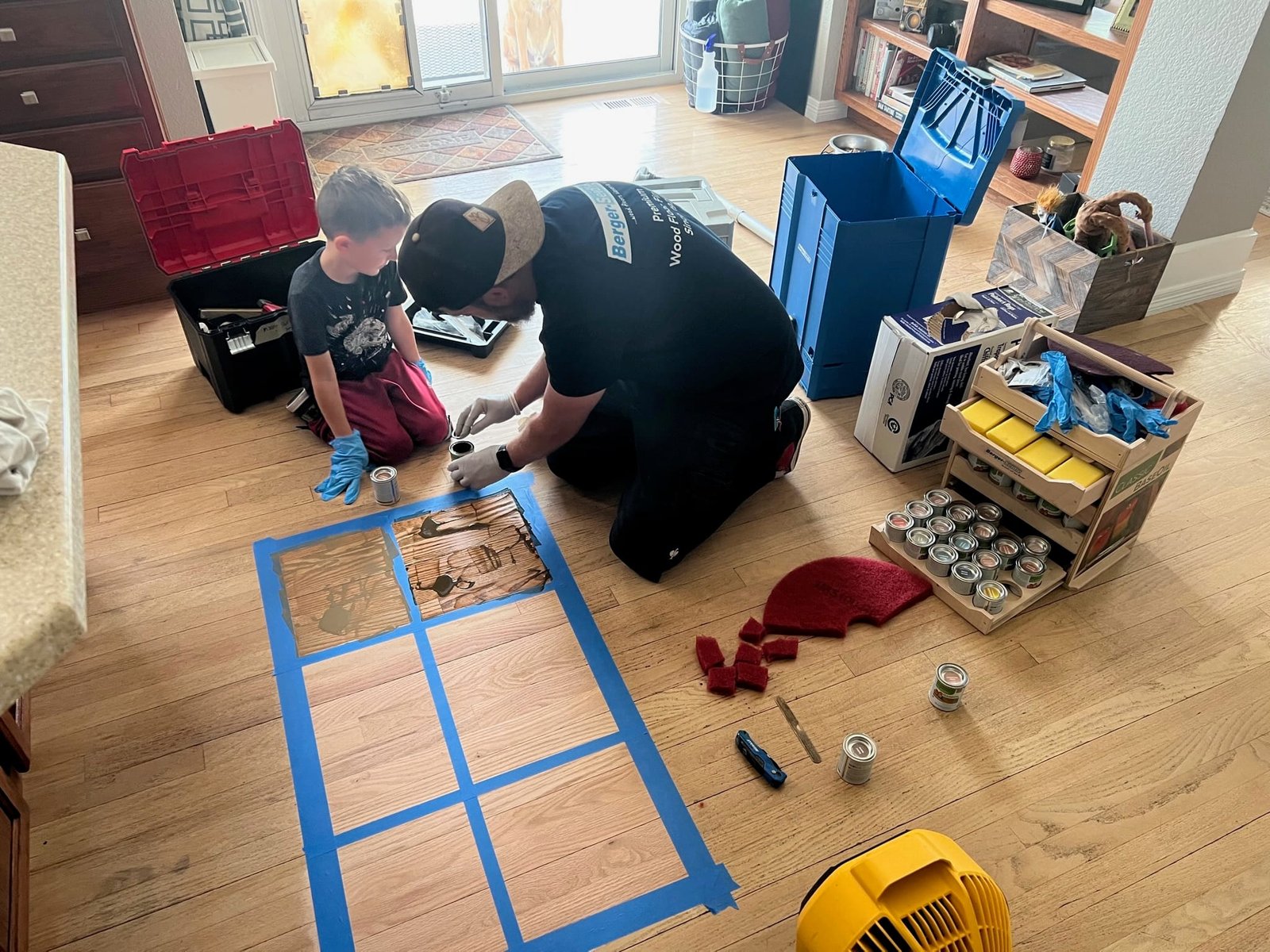
This page walks through the main options we use every day. We start with trusted species like Red and White Oak, look at how they rate on the Janka hardness scale, then talk about patterns, inlays, and finishes that fit your home. The goal is simple. A floor that holds up to real life and still makes you smile when you walk in the door.
RED AND WHITE OAK Hardwood
Red Oak, with a Janka hardness of 1290, has a warmer tone and more pronounced grain, while White Oak, slightly harder at 1360, has a smoother grain and a more neutral base, making it ideal for light or dark stains. Oak is one of the most trusted hardwoods for flooring because it holds up to real life while still being easy for craftsmen to work with. The chart simply shows that both Red Oak and White Oak are in the “tough enough” range, so they handle kids, pets, and daily traffic without falling apart or denting too easily.
From there, the choice is mostly about look and feel. Red Oak has warmer, pink-to-gold tones and a more pronounced grain pattern, so it shows a lot of movement and character on the floor. White Oak looks calmer and more uniform, with a smoother grain and a neutral beige or taupe base that takes stain very evenly. That makes White Oak great if you want flexible color options, from light and airy to rich and dark, while Red Oak is perfect if you like warmth and visible grain.
Red Oak / White OAK

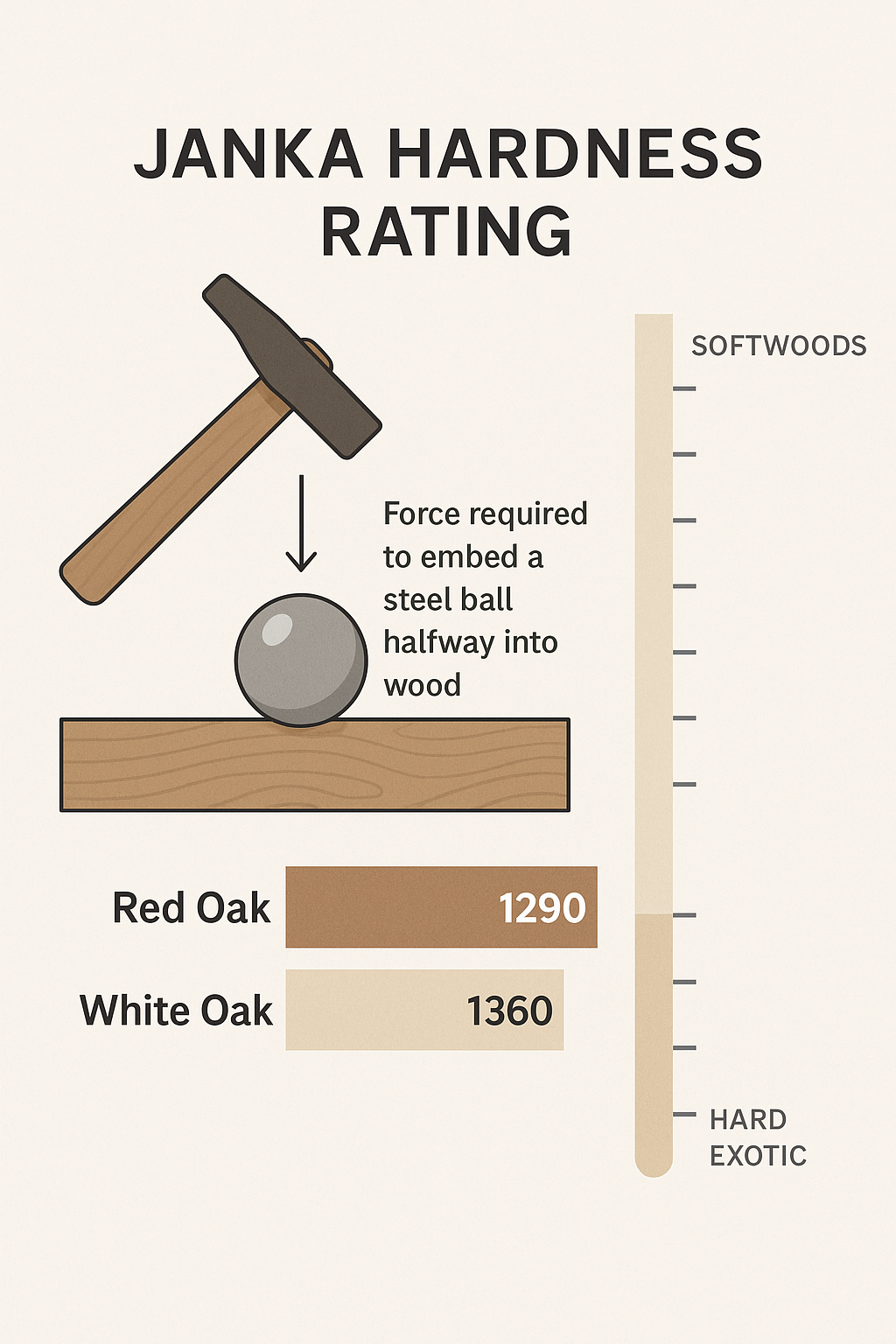
The Janka hardness rating measures how tough a wood is by testing how much force it takes to push a small steel ball halfway into the board, like in this picture with the hammer, ball, and plank. The higher the number, the harder and more dent-resistant the wood. On the scale to the right, softer woods sit toward the top and very hard, often exotic species sit toward the bottom. Common flooring woods like Red Oak (1290) and White Oak (1360) fall in the middle, which means they are strong enough to handle everyday life without being so hard that they are difficult to work with or repair.
Maple Hardwood
Maple has a smooth, even grain and a naturally light, creamy color. It makes a room feel bright and open, which is why you see it so often in modern, Scandinavian, and minimalist spaces. The surface reads clean and calm, without a lot of busy movement, so furniture, rugs, and artwork stand out. In higher grades you get very few knots or dark streaks, which gives long, wide planks a sleek, almost seamless look across the room.
Maple is a strong, dense hardwood that handles daily traffic well. On the Janka scale it sits around 1450, which simply means it has no problem with kids, pets, or rolling chairs when it is finished correctly. Most flooring maple comes from the northeastern U.S. and Canada, where slower growth creates tight grain and stable boards. That tight grain also means it does not soak up stain the way oak does, so it often looks best close to its natural color or with a light, factory-applied finish. If a client wants that very clean, pale floor that still has real wood underfoot, maple is usually at the top of the list.
Hickory Hardwood
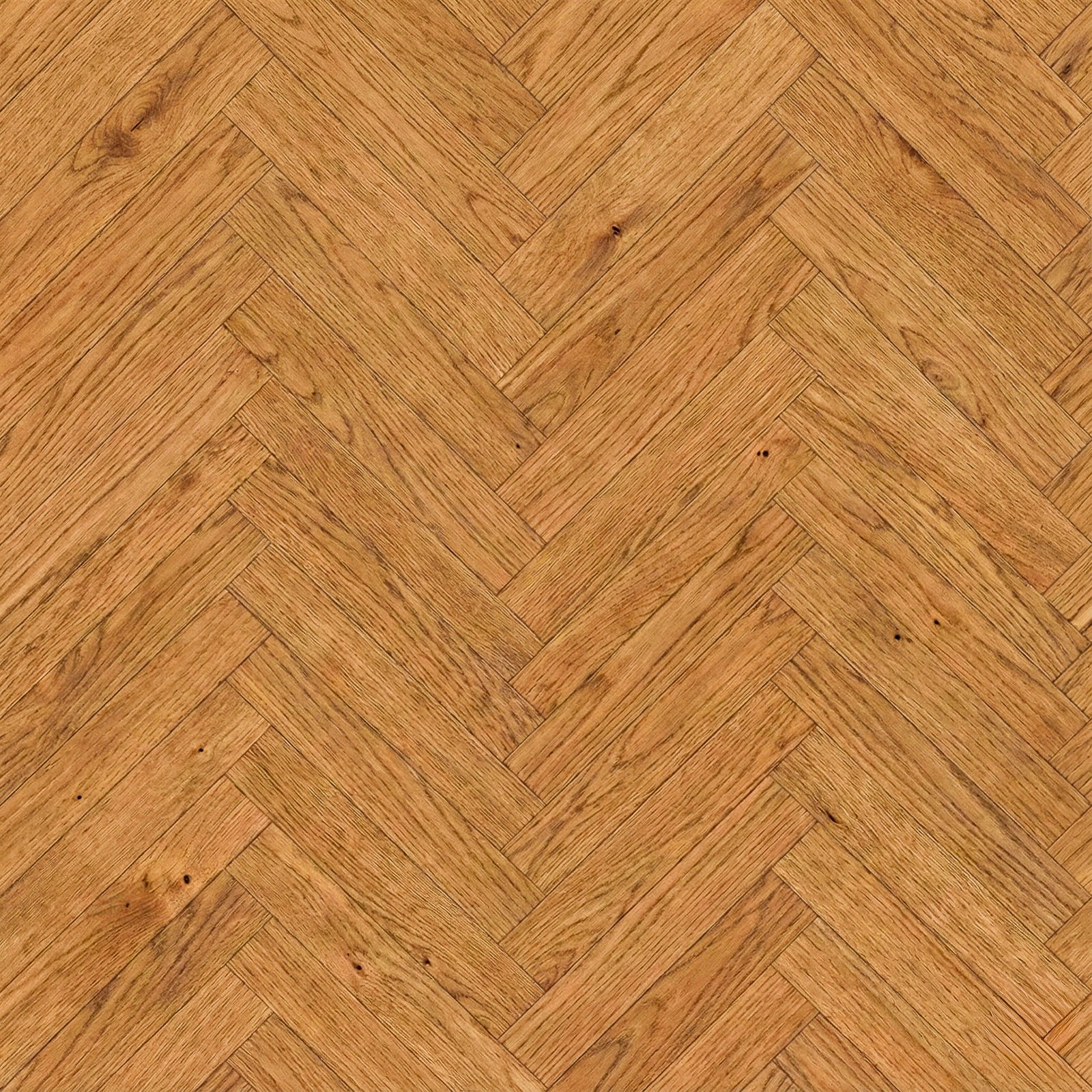
Hickory has a big personality. Color can swing from pale cream to deep brown, sometimes in the same board, and the grain is bold and active. That natural contrast gives hickory a strong, rustic feel that works well in cabins, farmhouses, and any home where you want the floor to be a main design feature. Knots, mineral streaks, and dramatic patterning are common and are part of what people love about it. In wide planks, a hickory floor can look like it came straight from an old barn or workshop.
Under the surface, hickory is one of the toughest domestic woods you can put on a floor. Its Janka rating is about 1820, which is near the top of the chart for North American species and makes it very resistant to dents and wear. That same density means it is harder on blades and a bit more demanding to cut and nail, which can add to labor cost. Staining can be trickier, especially with very dark colors, because the wild grain can take pigment unevenly. For busy households that want a strong, lived-in look and do not mind a bit of natural variation, hickory is an excellent fit.
Walnut Hardwood
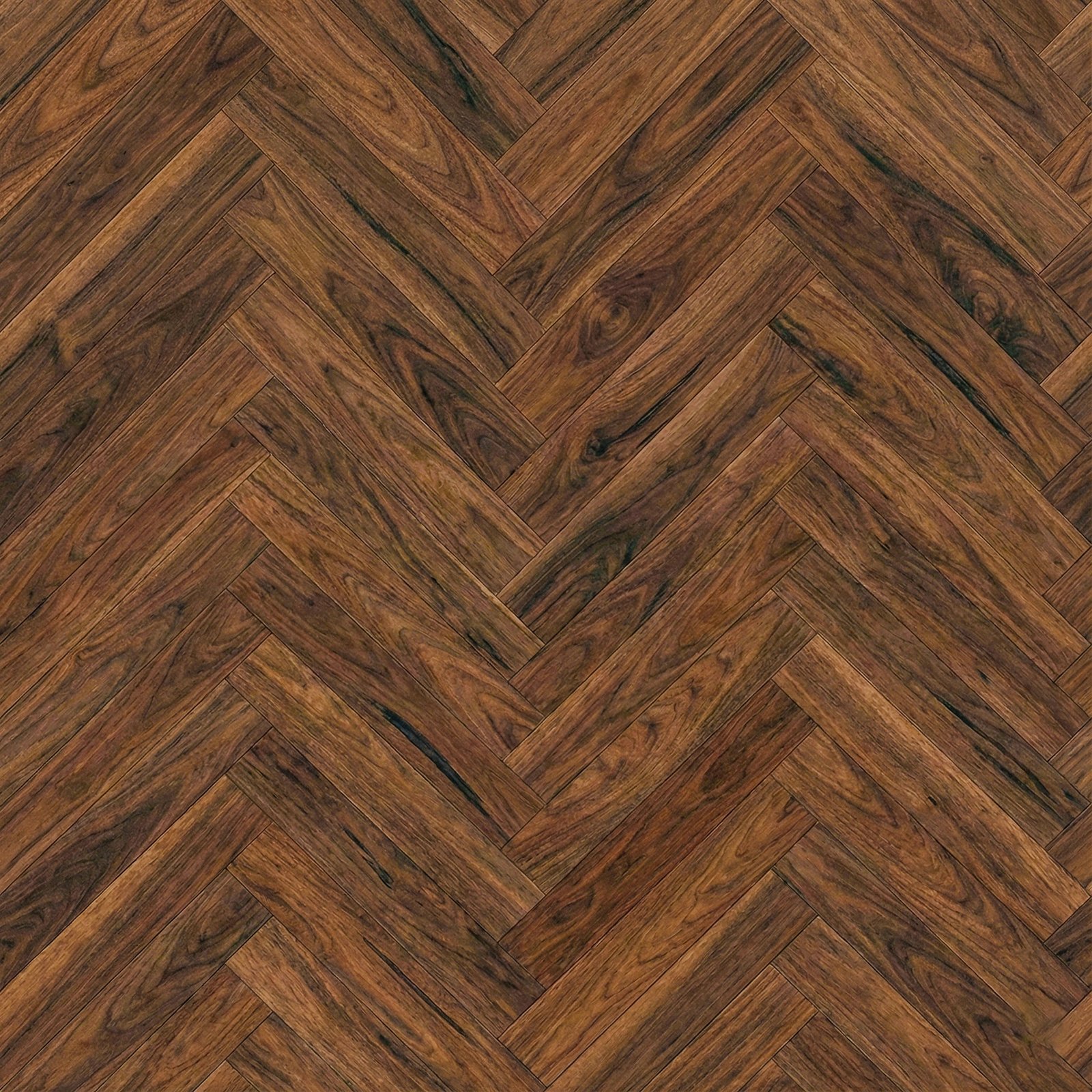
American Black Walnut is all about warmth and mood. The heartwood runs from deep chocolate brown to softer coffee tones, with lighter sapwood streaks that add movement and depth. The grain is usually fine and straight, so even with rich color the floor still feels refined rather than busy. Walnut suits spaces where you want a cozy, high-end feel, like living rooms, primary bedrooms, libraries, and home offices. Paired with soft lighting and simple furnishings, it creates a calm, inviting backdrop.
Walnut is not the hardest species, and that is worth knowing up front. On the Janka scale it comes in around 1010, so it is softer than oak or maple and will show dents and scratches more easily. Many homeowners use area rugs and felt pads under furniture to protect it in the highest traffic zones. Because the natural color is already so beautiful, most people choose a clear or lightly tinted finish to bring out the grain rather than hiding it under a heavy stain. Walnut is less common and more expensive than many other domestic woods, which is part of why it is often treated as a premium feature and used where its look can really be appreciated.
Cherry Hardwood
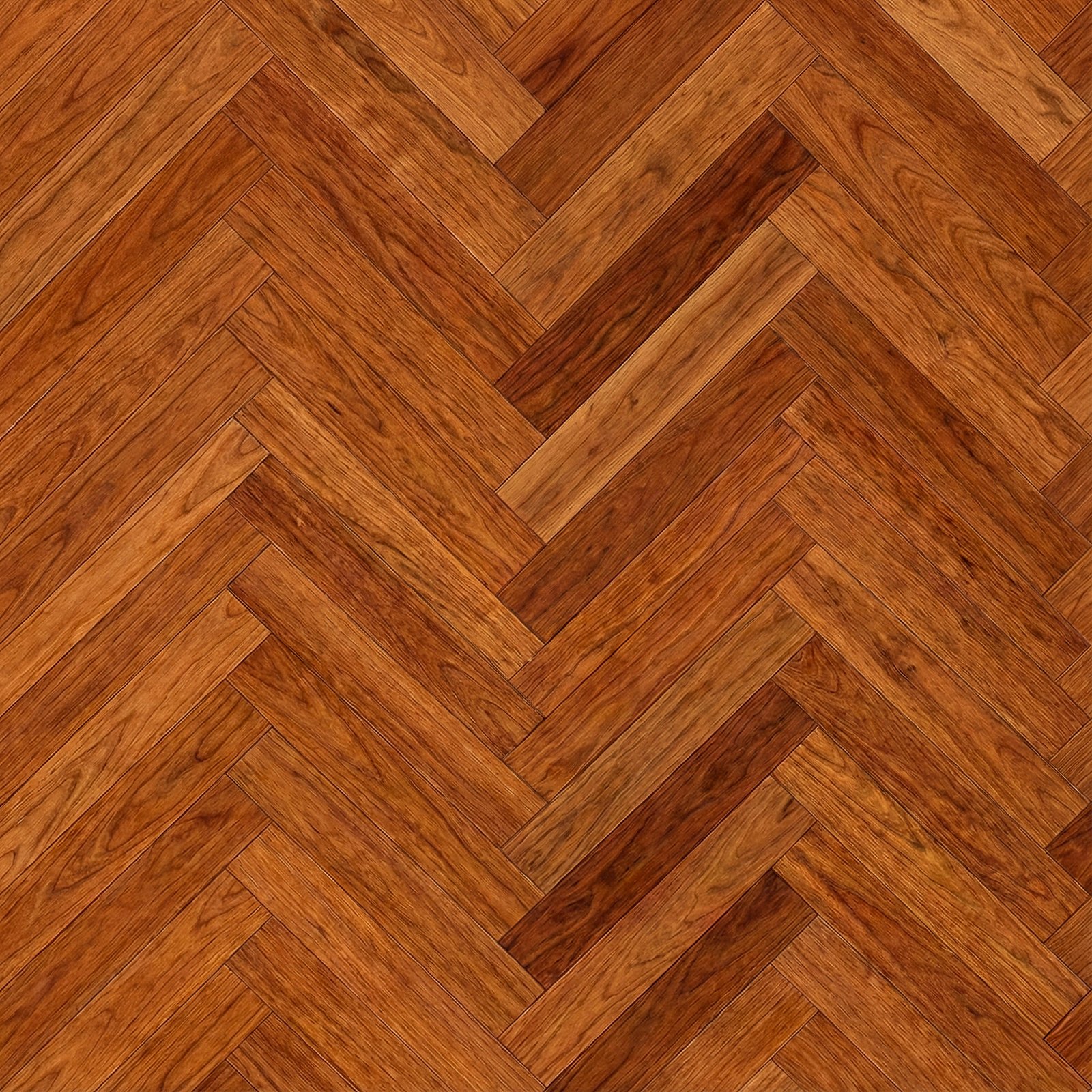
American Cherry brings a warm, reddish glow that feels soft and welcoming right away. Freshly installed, it starts out more pink-gold, then slowly deepens into a richer red-brown as it is exposed to light. That natural aging, or patina, is a big part of cherry’s charm and is something many people specifically ask for. The grain is fine and understated, so cherry floors have a smooth, elegant appearance that works well in traditional homes, dining rooms, and formal spaces.
Cherry is on the softer side of the hardwood spectrum, which is part of its trade-off. Its Janka rating is around 950, so it can pick up dents and impressions more easily than oak or maple. In the right setting this is not a problem and can even add character over time, but it is important to place cherry where heavy abuse is less likely. Much of our cherry supply comes from the eastern U.S., and finishes with UV protection are often used to slow and even out the darkening process. If a homeowner values warmth, patina, and a classic look more than a “bulletproof” surface, cherry is a beautiful option.
ASH Hardwood
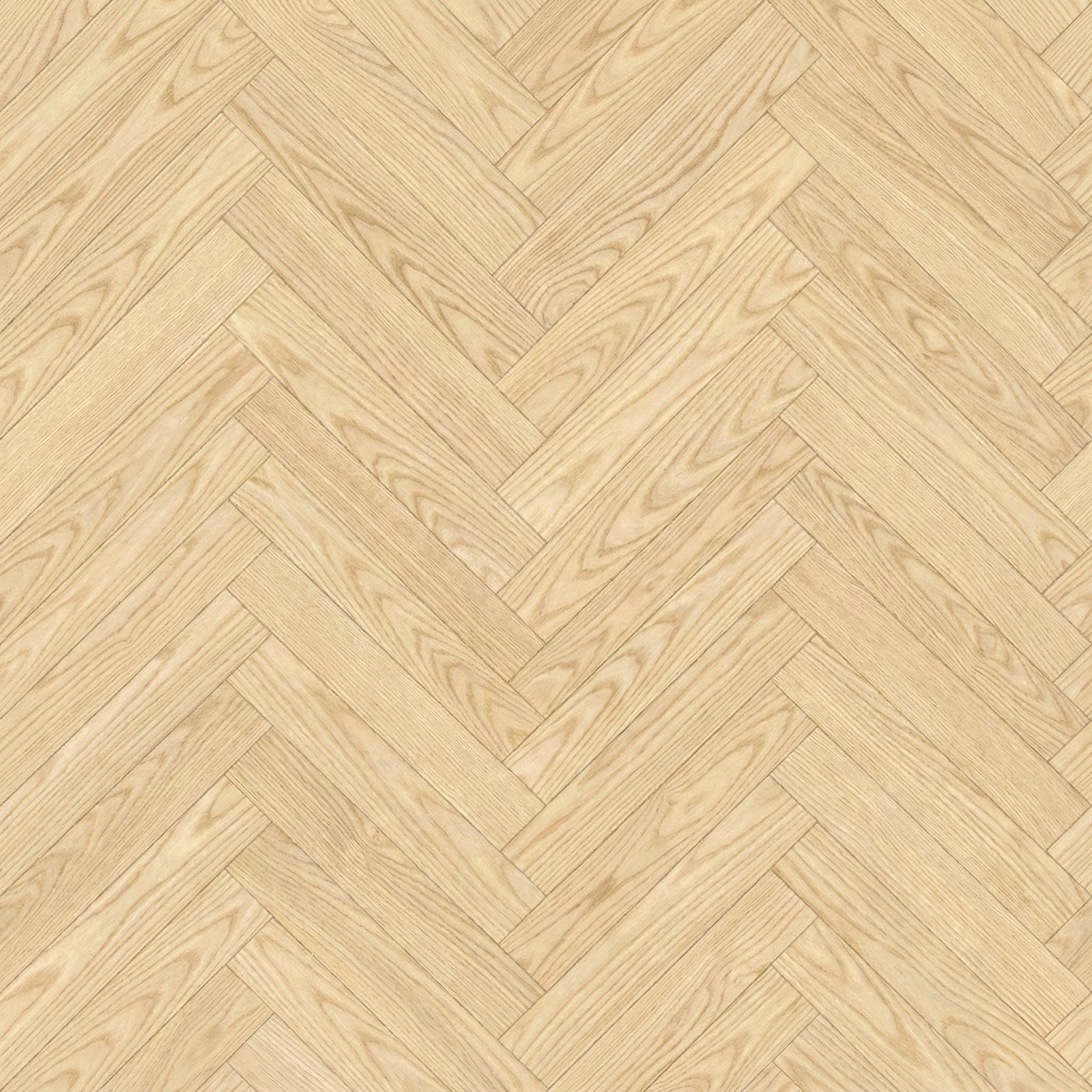
Ash has a light, creamy base color with bold grain lines that give it a lot of visual interest. The contrast between the pale background and darker grain creates a striking pattern that is easy to recognize once you have seen it. In a finished floor, ash bridges the gap between rustic and modern. It looks right at home in bright, casual spaces but still has enough character for more traditional rooms. For clients who like the idea of oak but want something a little different, ash often hits the mark.
From a performance standpoint, ash is a very practical choice. Its Janka hardness is around 1320, landing in a comfortable range for active homes without being overly hard to work with. Installers appreciate that it cuts and nails cleanly, and homeowners appreciate that it can handle regular traffic when finished properly. One of ash’s best traits is how well it takes stain, from light, beachy colors to rich, dark tones, which gives a lot of freedom for future design changes. Supply has tightened in some regions due to issues like the emerald ash borer, so it is not as widely available as oak, but when you can get it, ash delivers a unique look with solid, everyday durability.
Hardwood Floor Patterns & Inlays
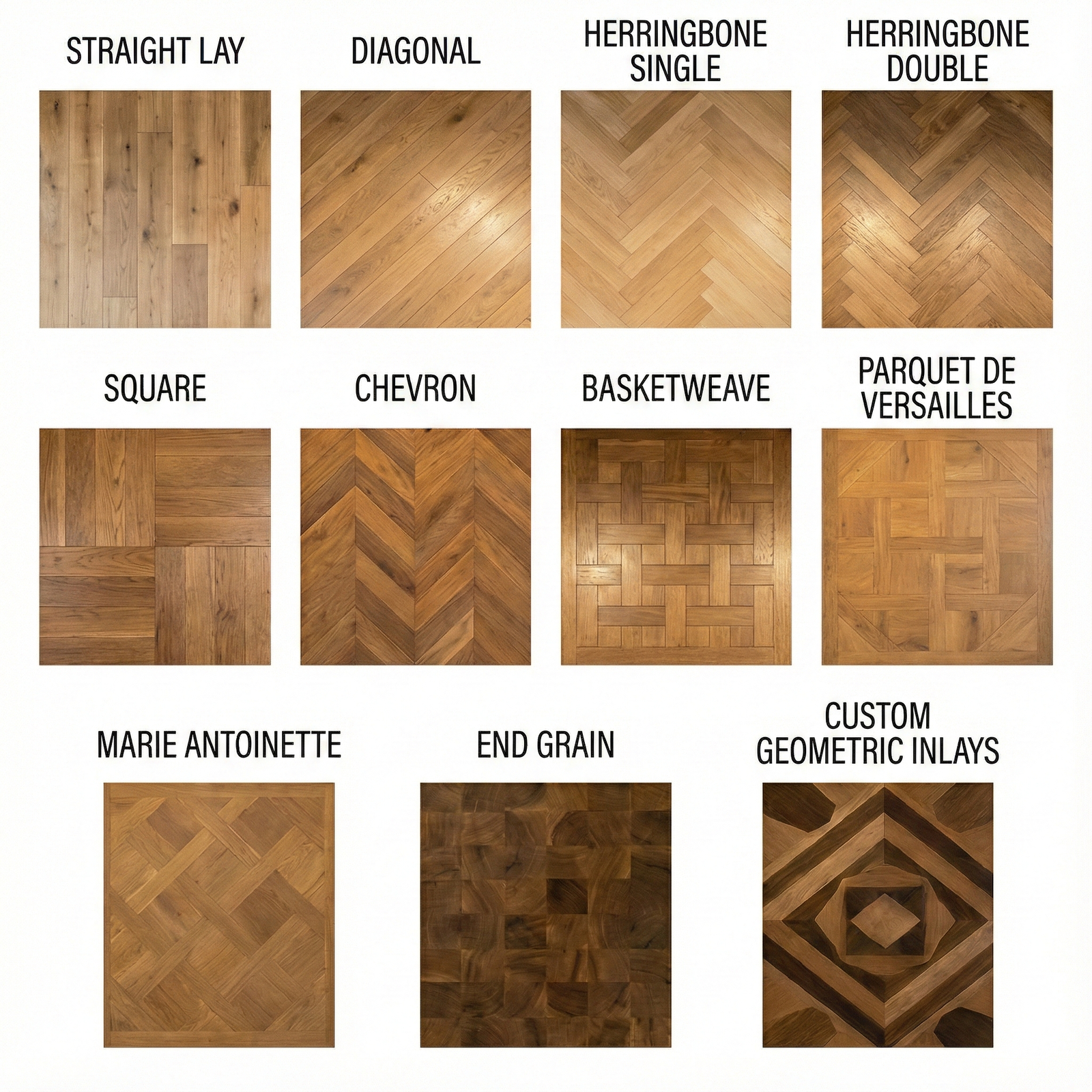
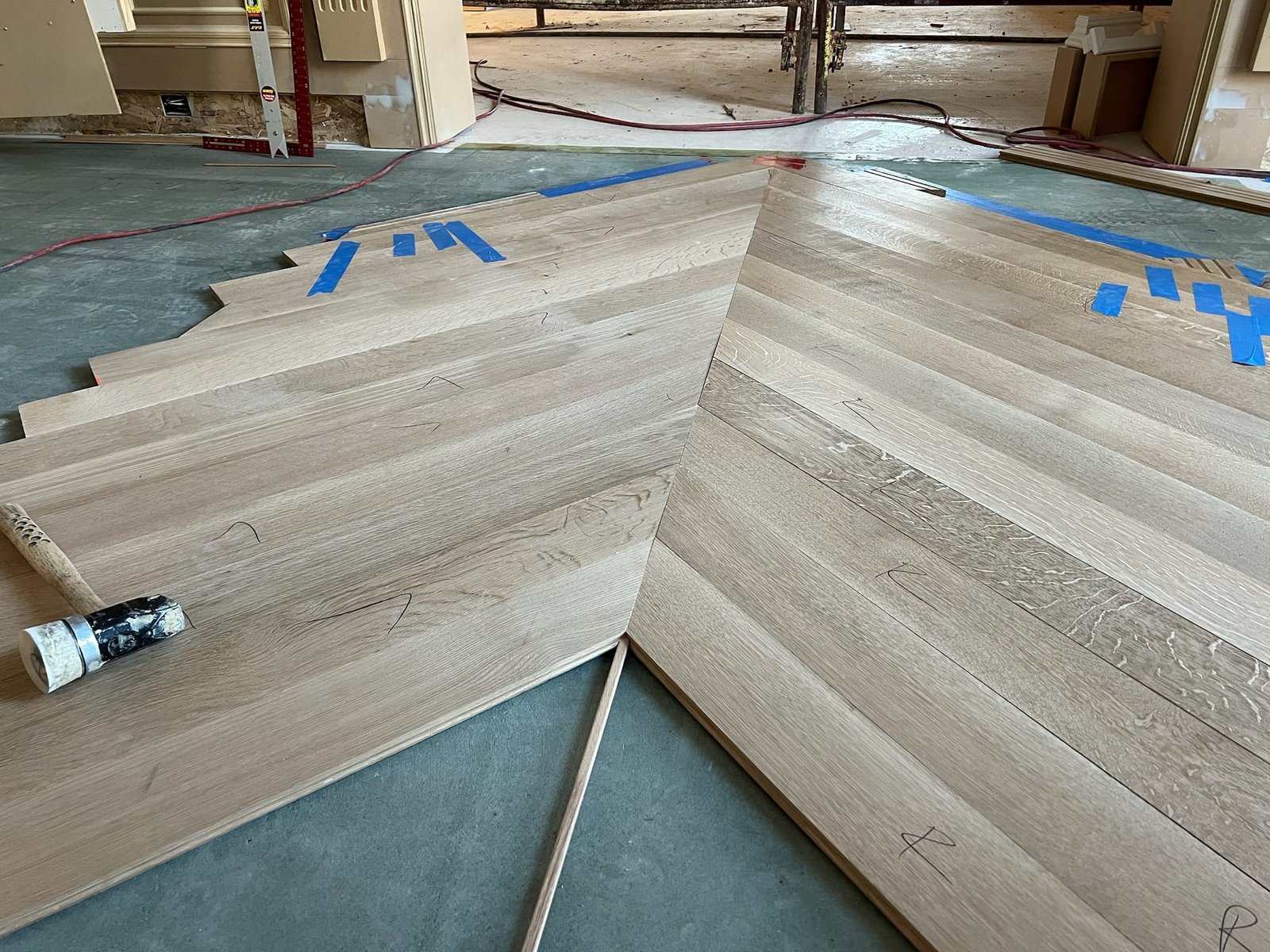
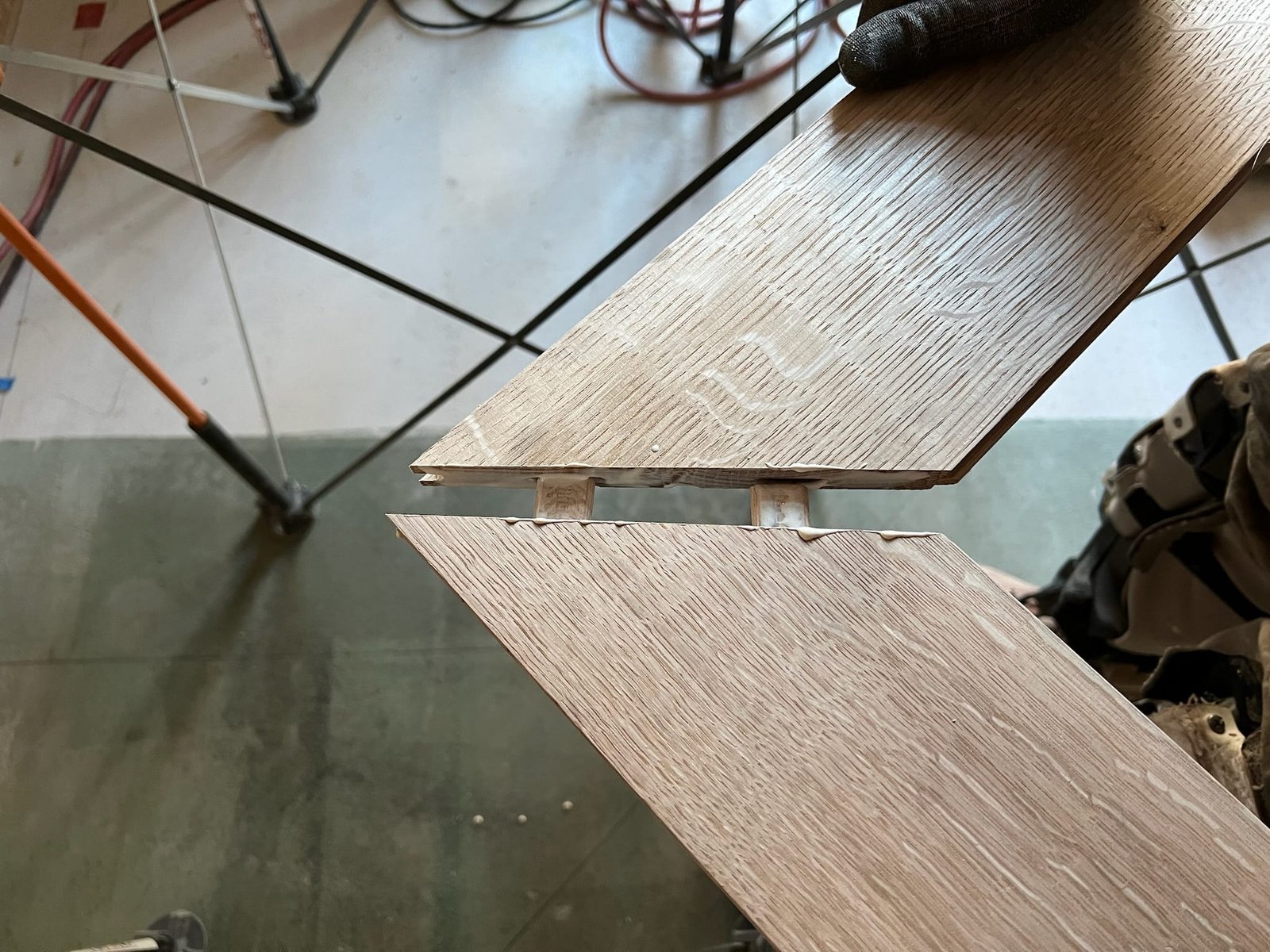
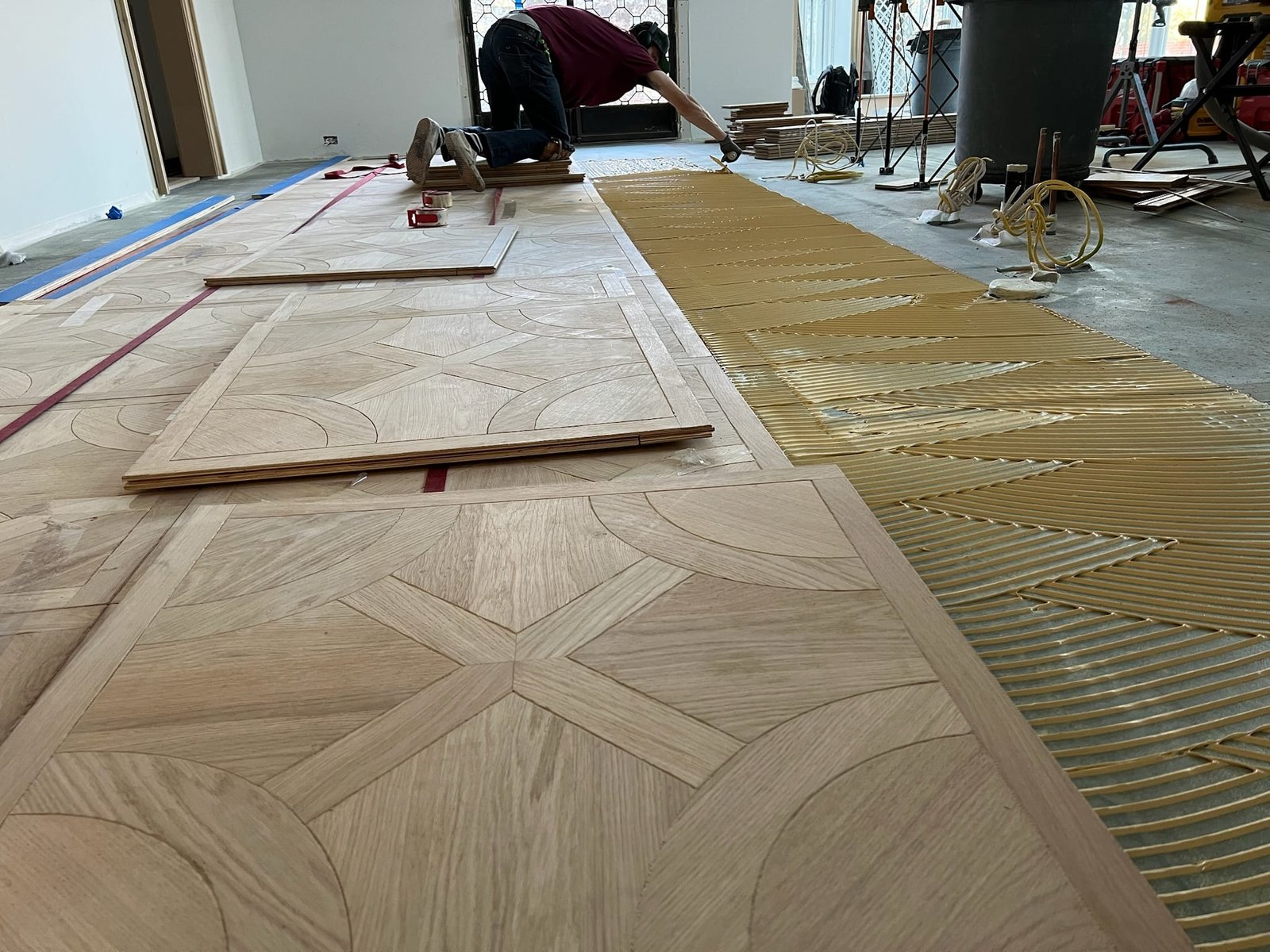
Your floor is not a sheet you roll out. It is built piece by piece, and the pattern is what gives it character. The layouts you see here are all installed on site, board by board, so the lines stay straight, the joints stay tight, and the room feels intentional instead of generic.
Different patterns change the mood of a space:
Straight Lay – Clean, simple, classic. Great when you want the wood to be the star.
Diagonal – Same boards, more movement. Helps open up long or narrow rooms.
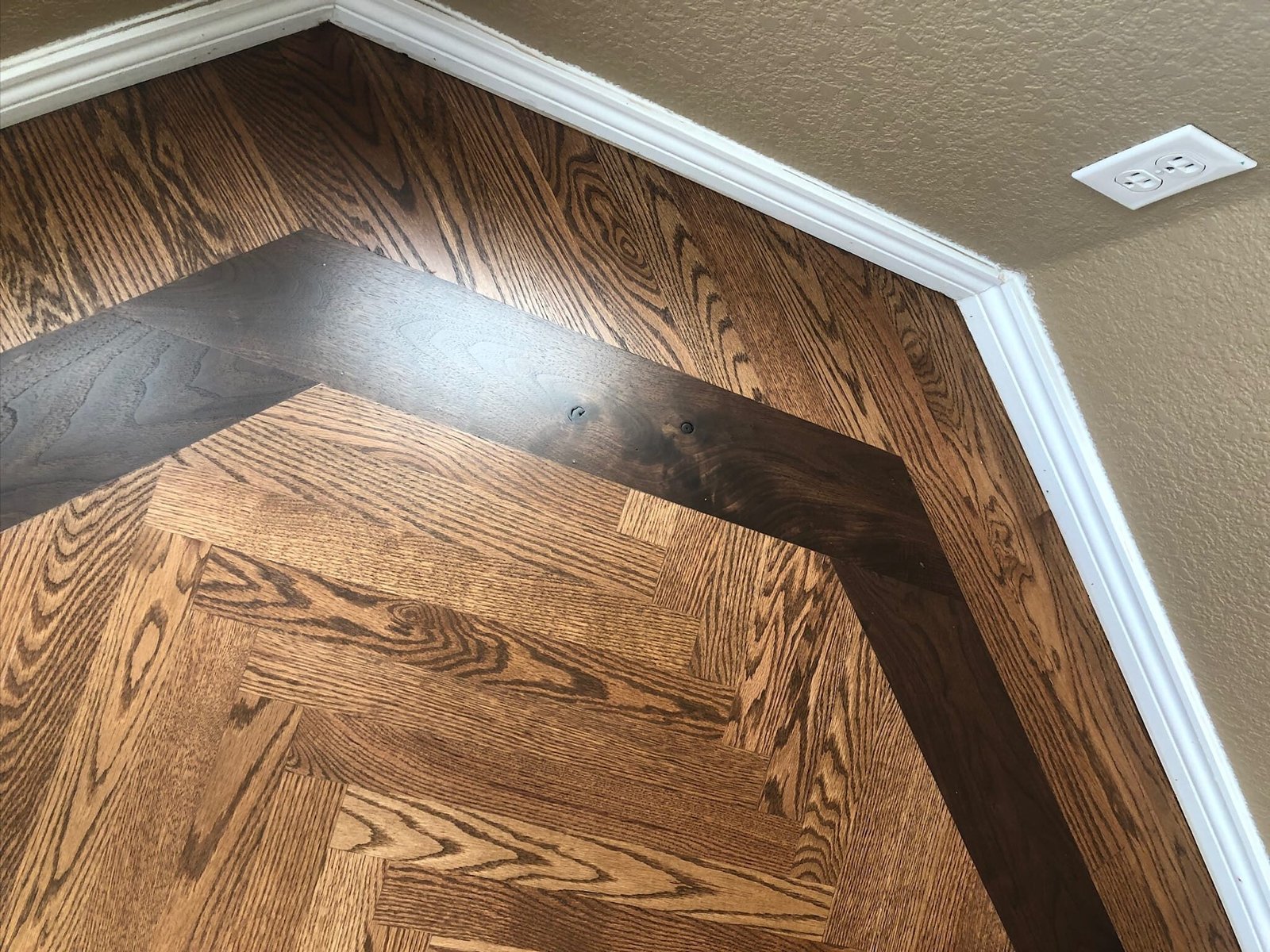
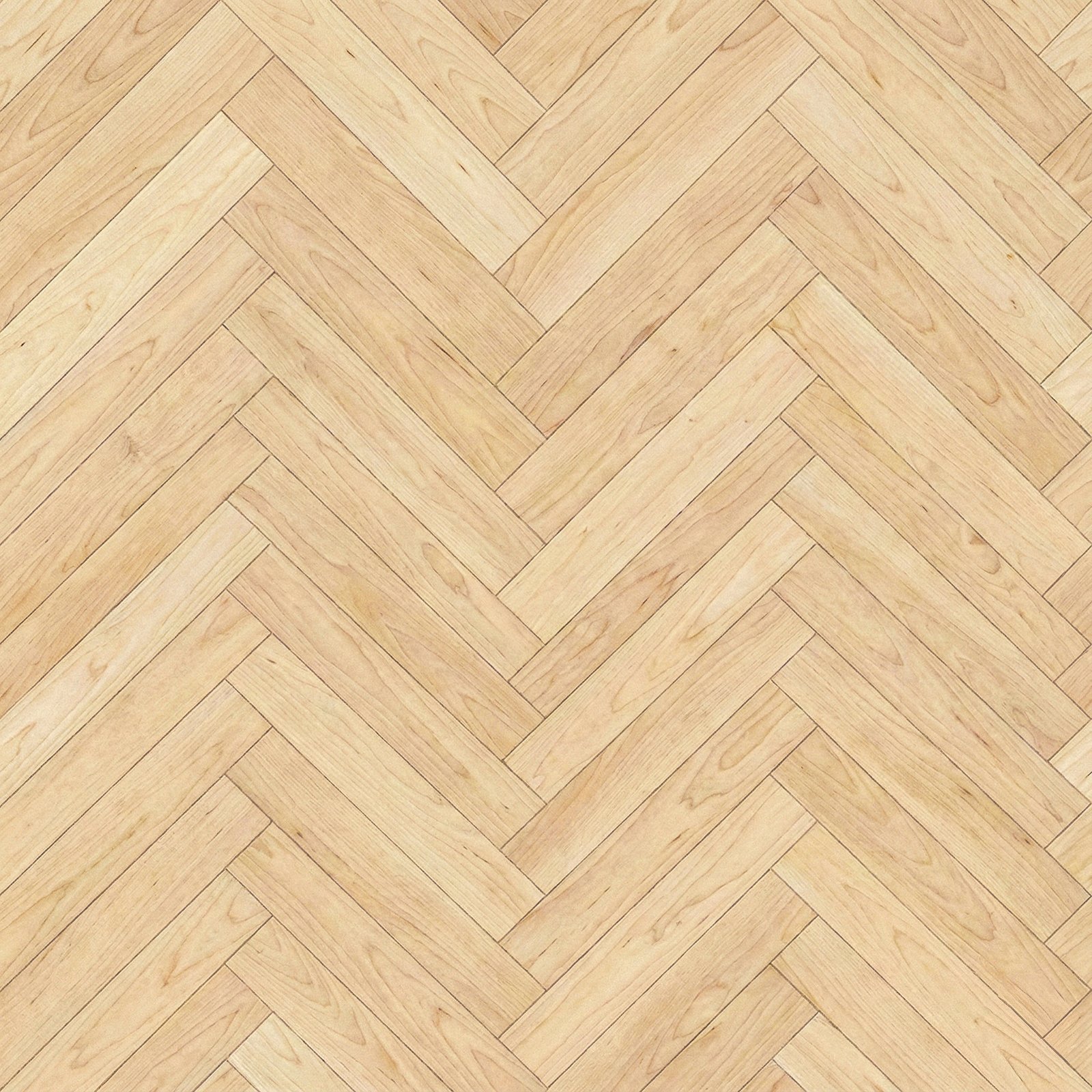
Herringbone & Chevron – Tailored, old-world feel. Adds a lot of interest without being loud.
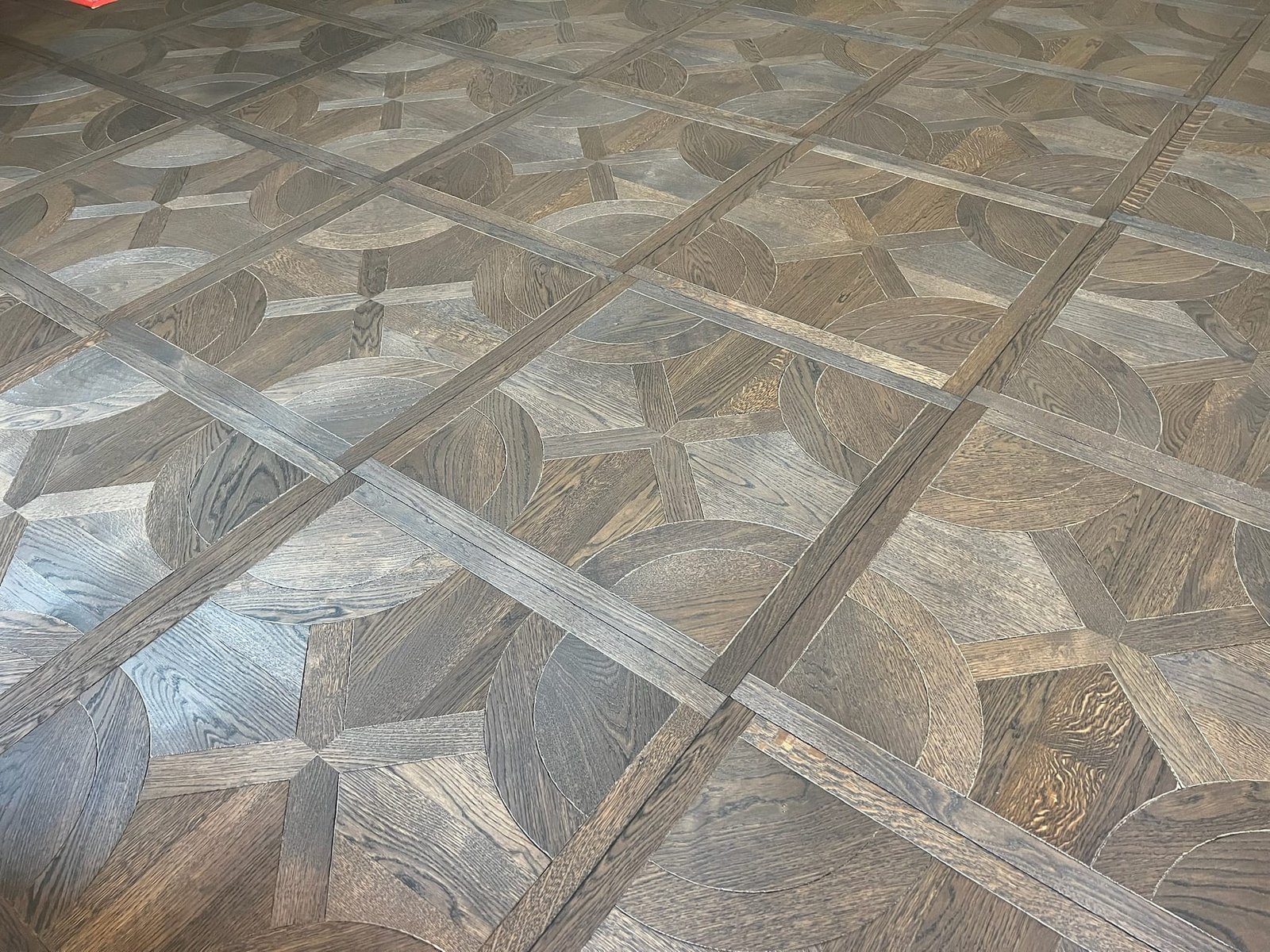
Square, Basketweave, Parquet de Versailles, Marie Antoinette – Detailed parquet work for formal rooms and statement spaces.
End Grain – Extra tough, almost like brick made from wood. Great for small, high-traffic spots.
Custom Geometric Inlays – Borders, medallions, and one-off designs drawn and cut for your home only.
We walk the room with you, talk through how you use the space, then match the pattern to the house, not the latest trend.